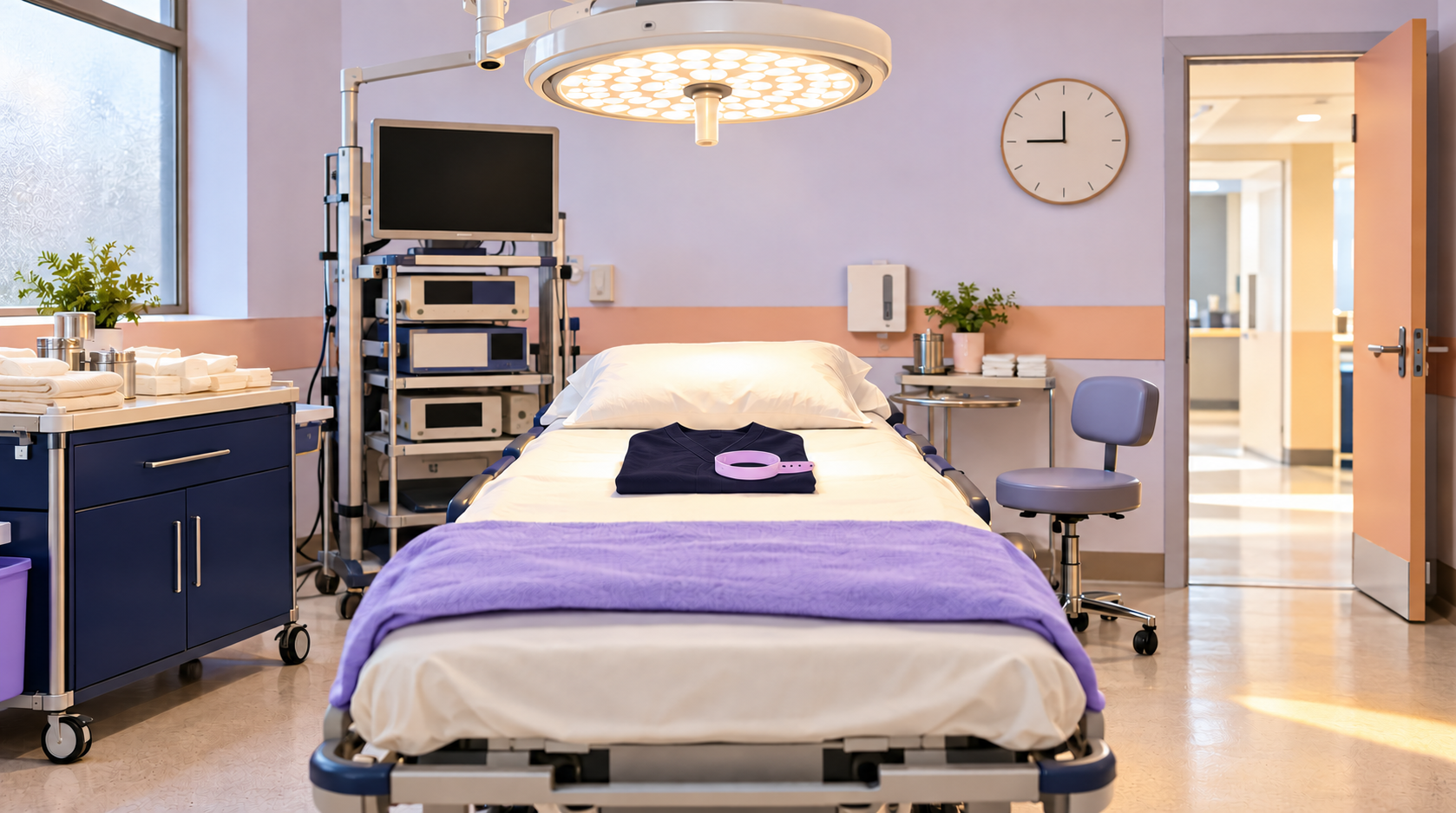
On a Wednesday morning, the furniture at Loomis Clinic went into a truck.
The move took three days. For three days there was effectively nobody at the front desk — no one to pick up a phone, pull a chart, or tell a caller when the doctor could see them. But patients didn’t stop needing healthcare.
In most practices, this is the week you quietly lose patients you will never know you had.
Ask Yvonne Mason, VP of Operations at MD Partners IPA, how it went:
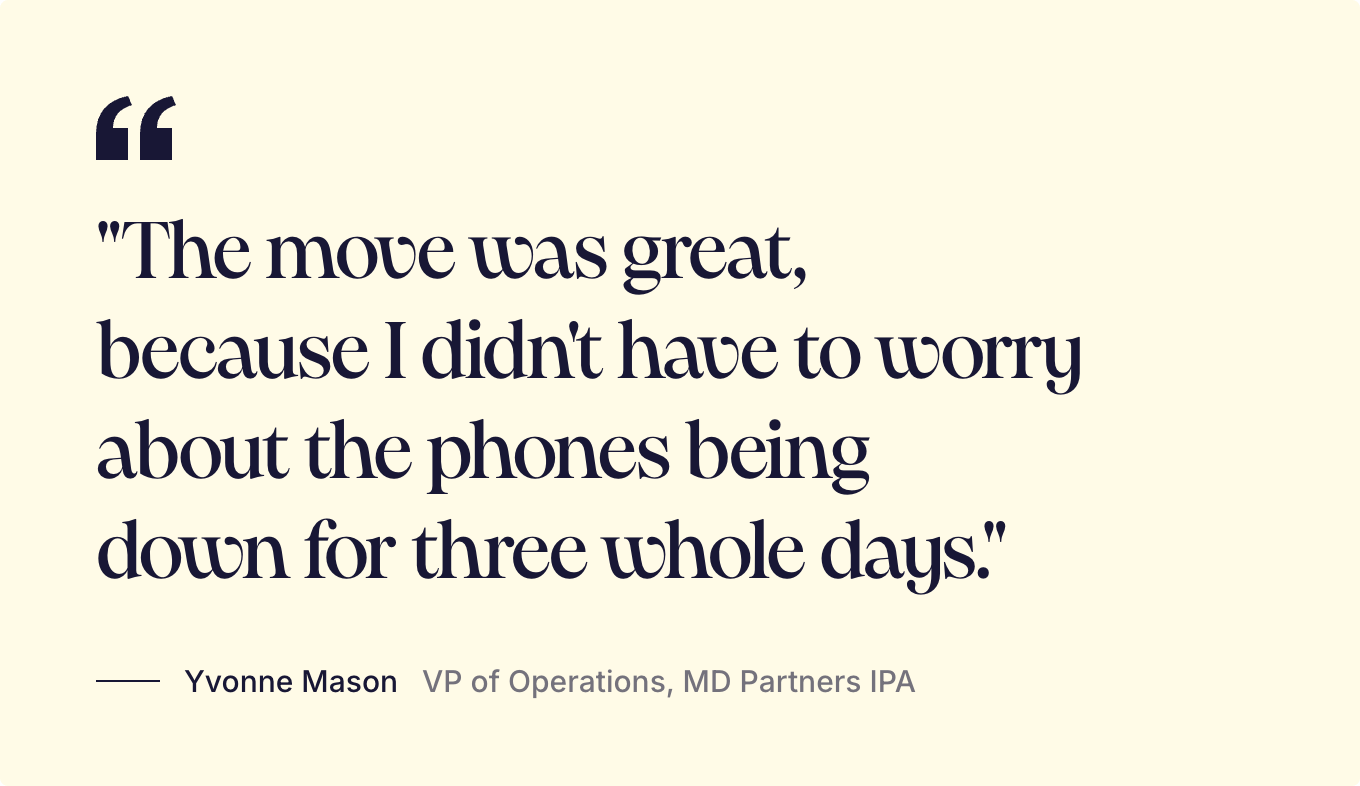
That shrug is the story. The most disruptive operational event of the year, reduced to a furniture problem. But to understand how a relocation became a non-event, you have to go back to the decisions that were made to protect against a situation like this.
The call that never gets counted
There is a moment in every primary care practice that nobody measures and everybody loses. A patient decides they need a doctor. They search, they find a name, they call — and then nothing. A ring that becomes a voicemail. A voicemail that becomes a decision.
"Nothing's more annoying than trying to get a hold of a place and them not answering," says Kati, who leads the front office at Loomis Clinic — and who, for a long stretch, was the front office.
It is the most expensive failure in ambulatory care, and it appears on no dashboard. It has no billing code. It generates no complaint — because the person who experienced it never became your patient. They became someone else's.
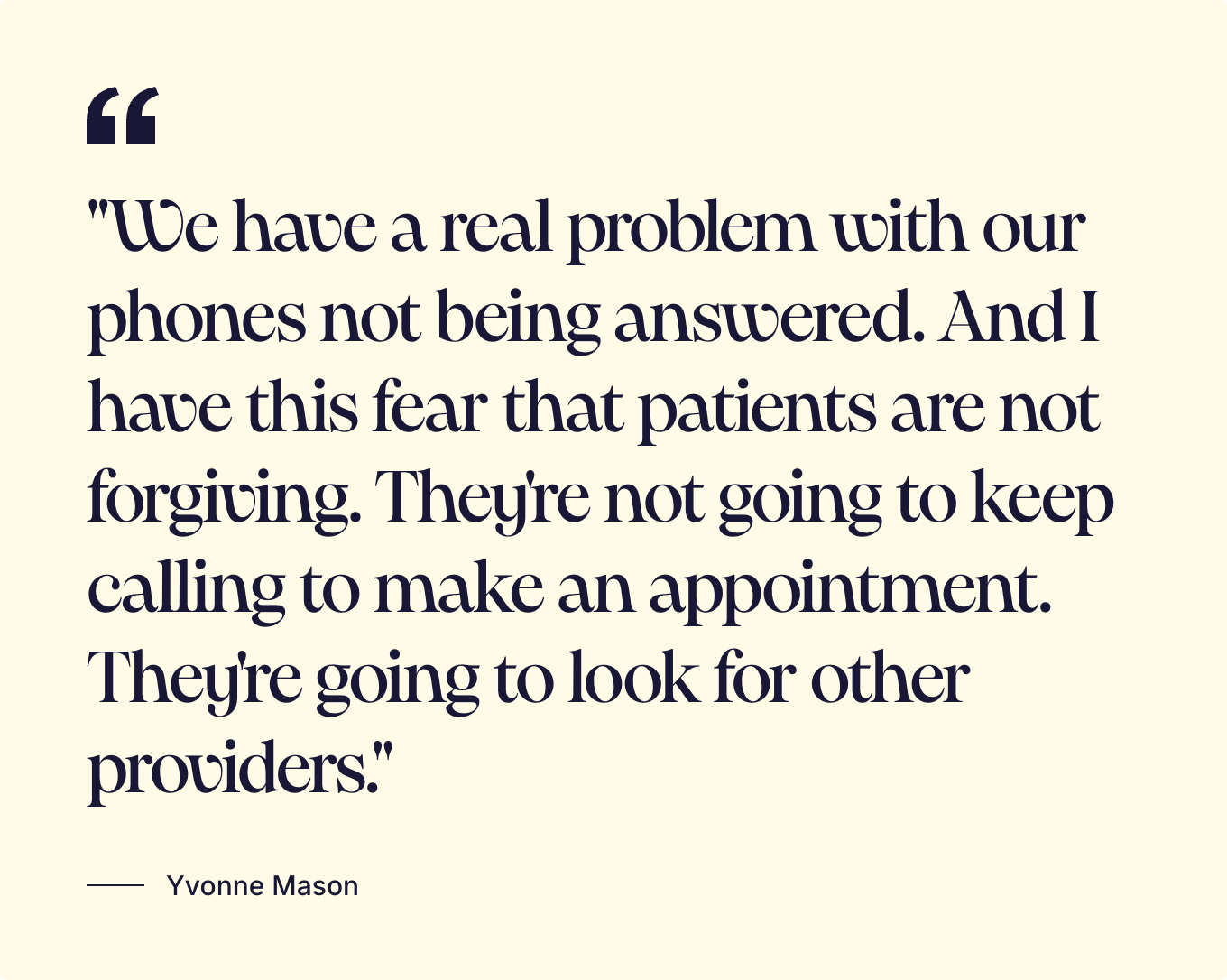
Yvonne named the problem before anyone showed her a solution.
The line Yvonne drew
Yvonne wasn't shopping for AI. She had a specific wound she already understood, and she evaluated whether this particular tool closed it. Once it did, her thinking moved past efficiency to something more interesting: not what the technology would take over, but what her staff would finally get to do instead.
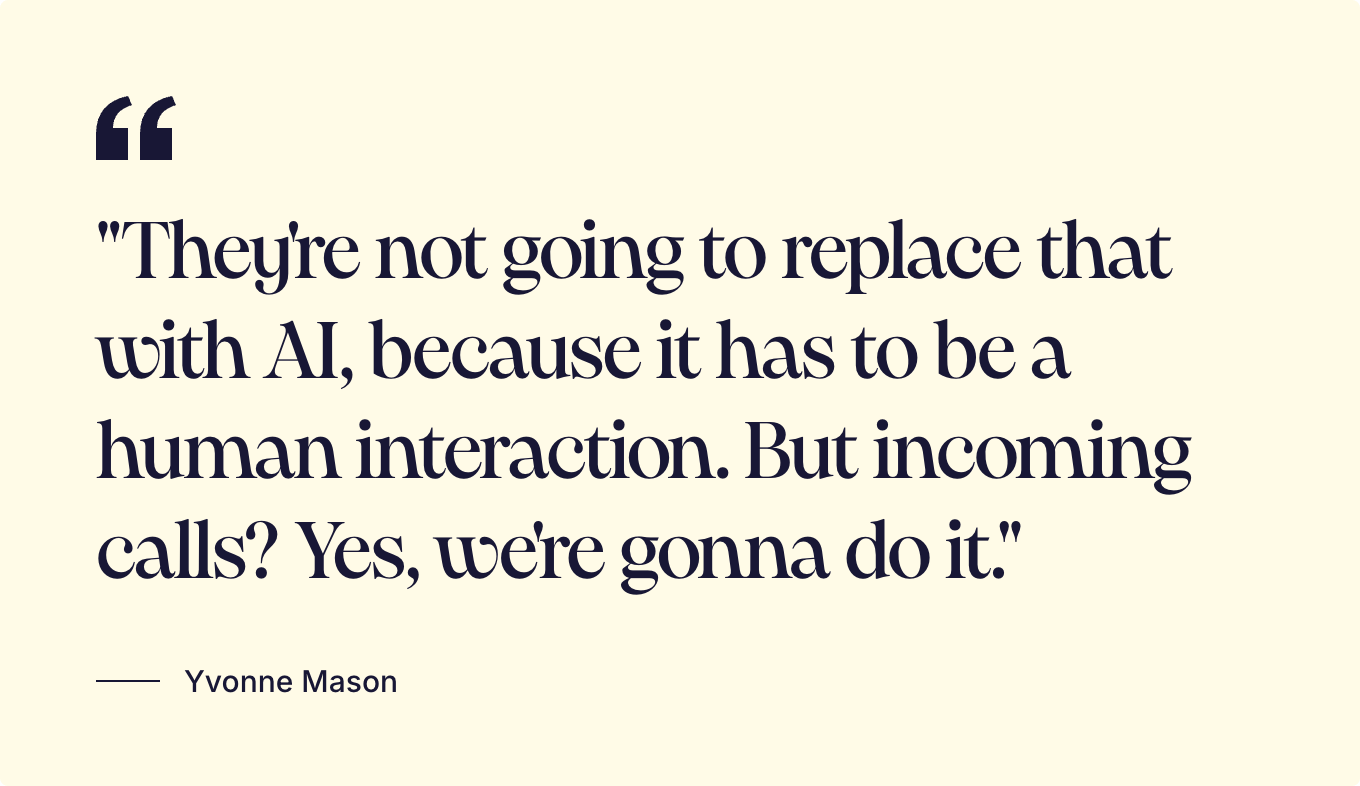
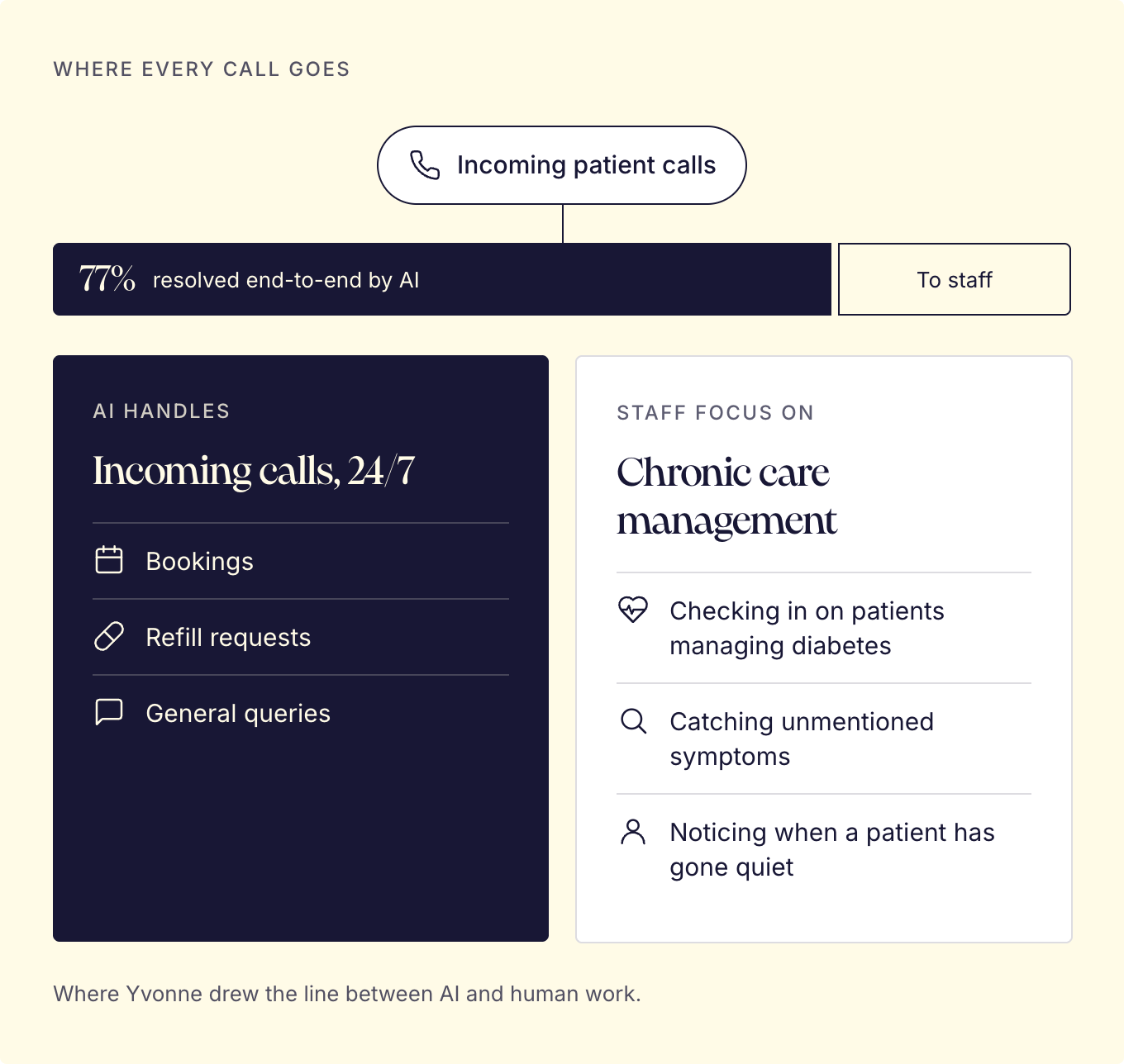
Patient care is all about the human touch. And healthcare never has enough staff for care management outreach, especially for a chronic care population — there is always more of it than there are people to do it. Yvonne drew the line exactly there:
Chronic care management has to be a person. Checking in on someone managing diabetes. Catching the symptom they didn't think to mention. Noticing when a usually chatty patient has gone quiet.
What never needed a person is the 40th identical refill request before lunch. AI doesn't get tired. It doesn't get short with the 50th caller asking the same question on the same day.
The new employee
Deployments fail when the people expected to live with a system are handed it rather than consulted about it. Yvonne ran it differently, knowing a clinical environment has no tolerance for failure: the person closest to the work had to shape the tool.
That was not an easy sell.
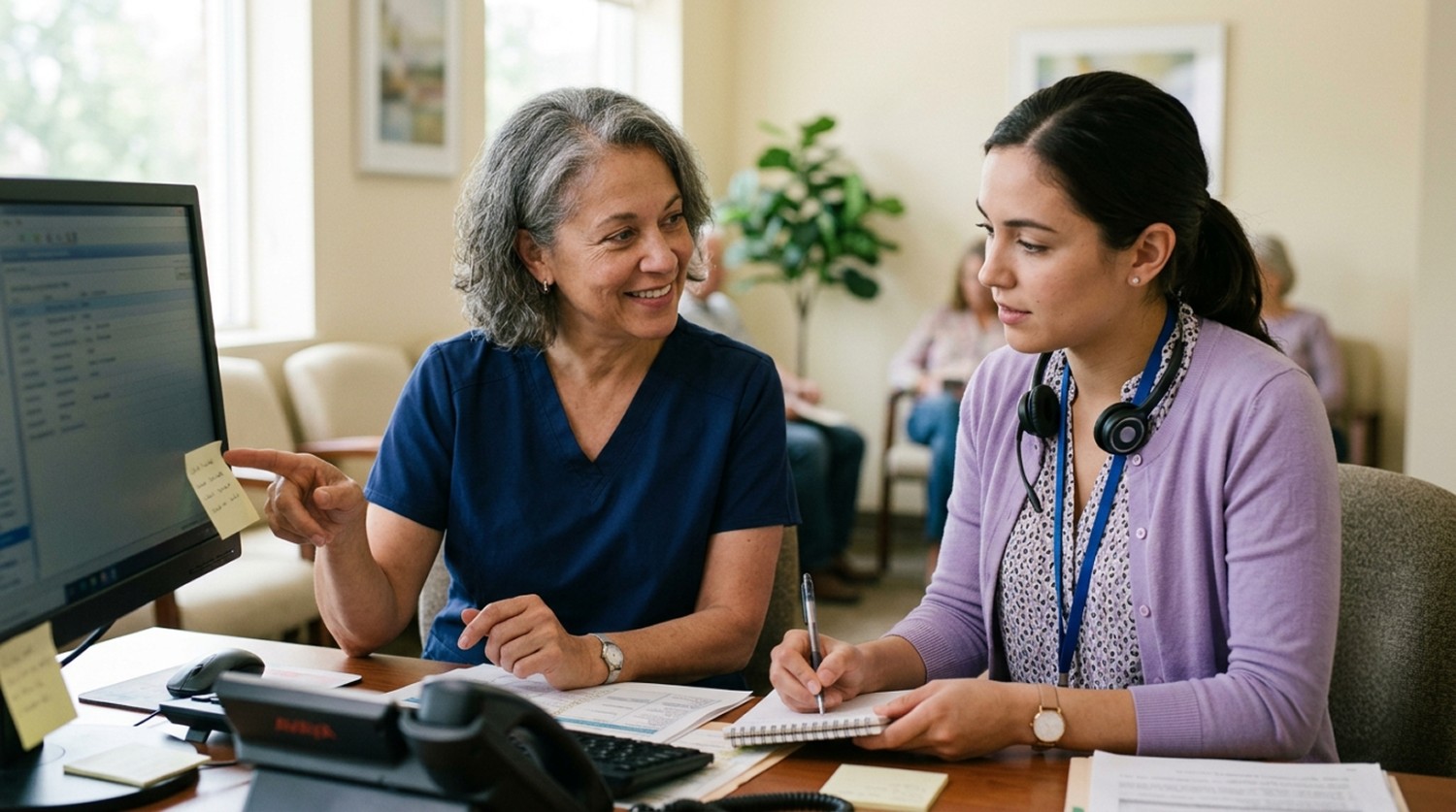
Kati was used to juggling it all — vitals, phones, charts, all of it. The pitch she heard was that something was arriving to help. What she heard underneath it was more work.
What changed her mind was treating the thing as exactly what it was:
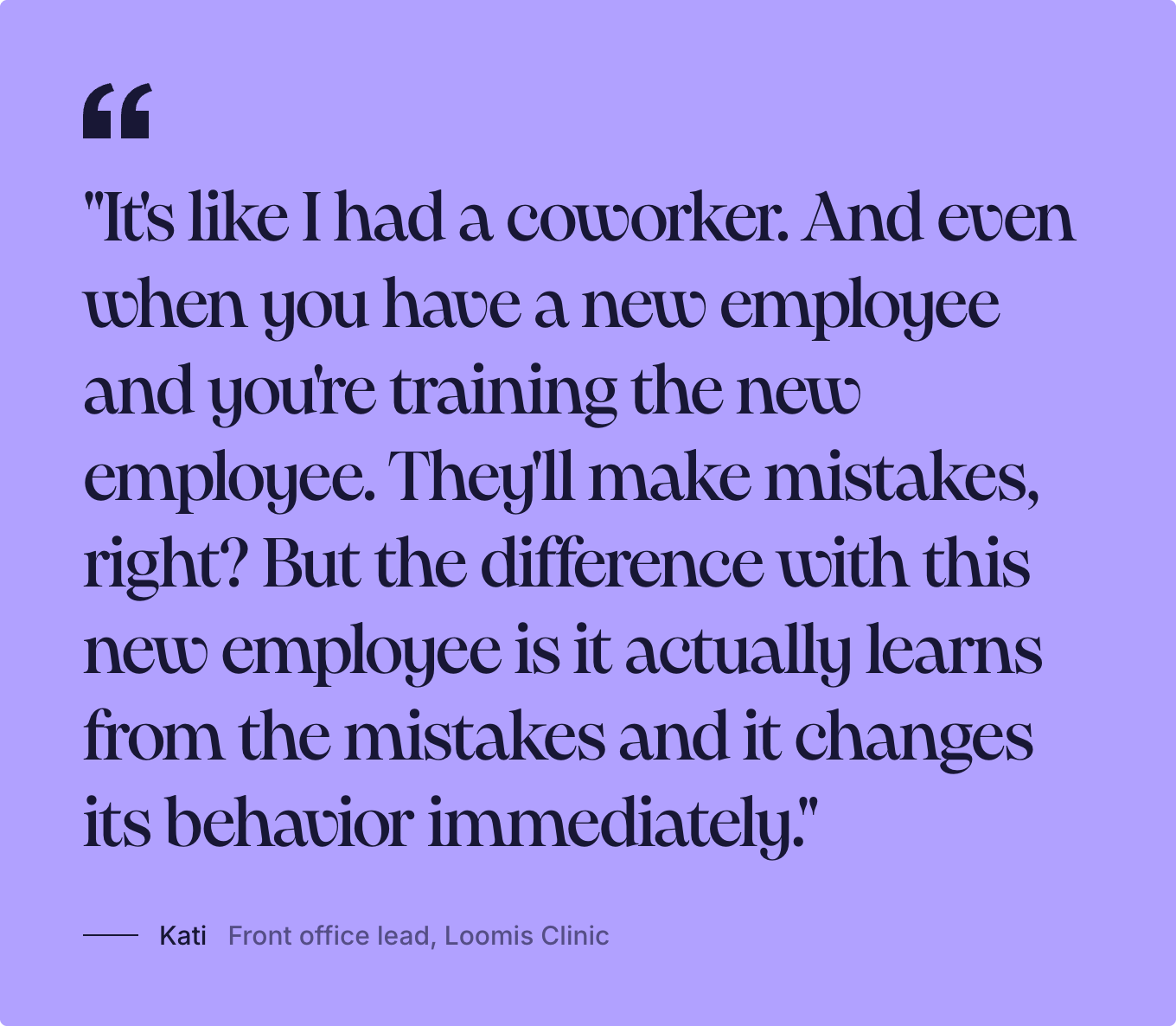
So she trained it like a trainee. She reported the small things: tone, phrasing, the specific way a Loomis patient asks for something. The corrections stuck. And then they travelled: what Kati taught the agent at one front desk became the baseline configuration for every site that followed.
Today the relationship is inverted. Kati supervises the AI's work, reviews what it books, catches what it can't handle. Her role has moved toward patients and toward care coordination (she's taken on a second coordination role), precisely because the routine layer beneath her got absorbed.
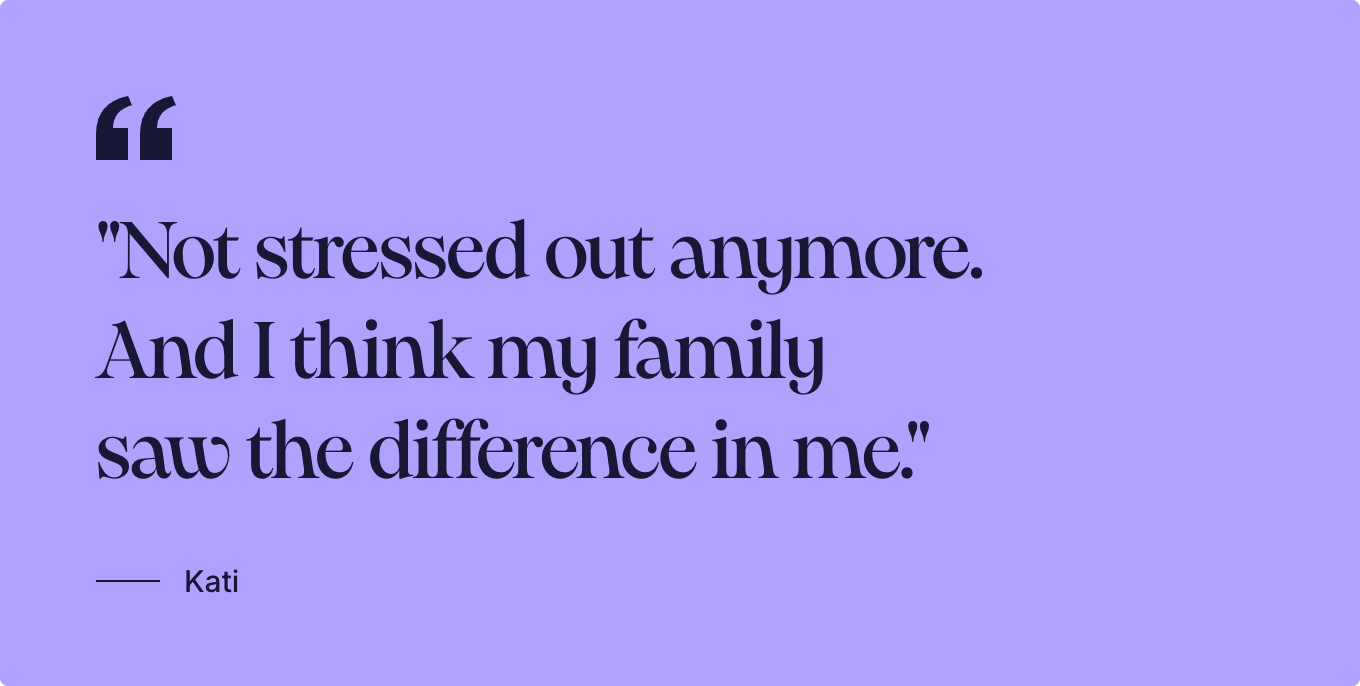
The measure of it isn't a metric. It's this:
What the patients noticed
Not that they'd talked to an AI. That somebody picked up, heard them, and the interaction was a good one.
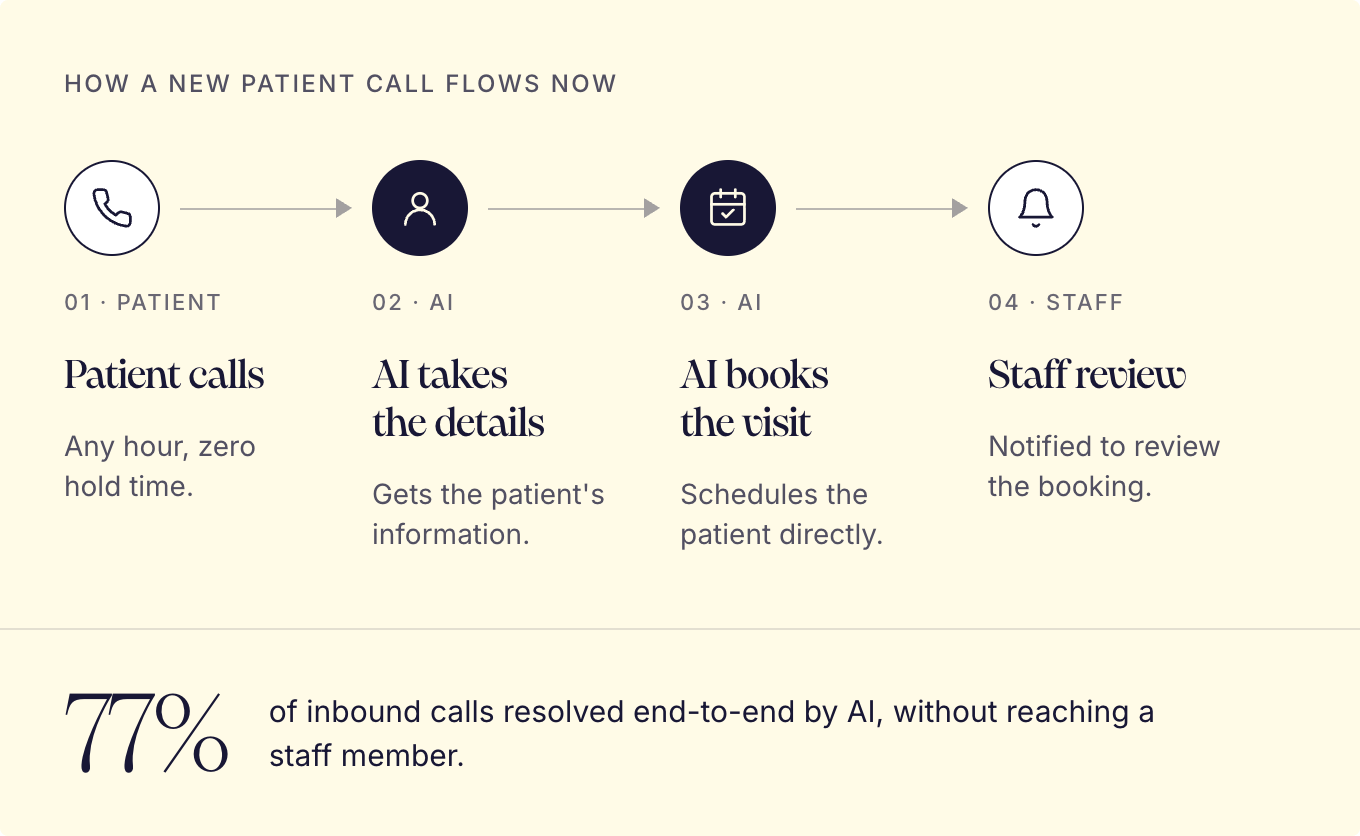
"When a new patient calls and maybe we can't get to it, the AI is getting the information, scheduling the patient, and then we get the notification so we can go review it. But before, it would just be a missed patient."
The clearest verdict came from someone who never needed persuading. A patient left Loomis a five-star Google review, and what they chose to single out was the receptionist:
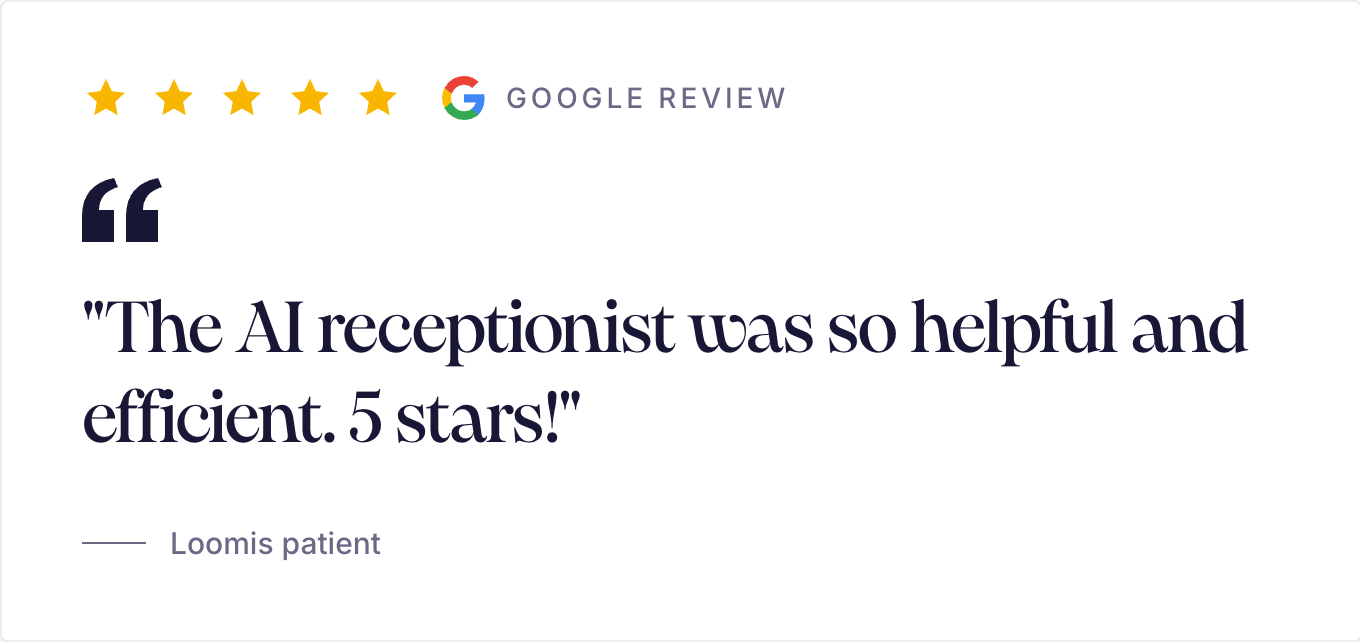
Patients were never going to grade the technology. They were going to grade whether anyone helped them.
Growth continues
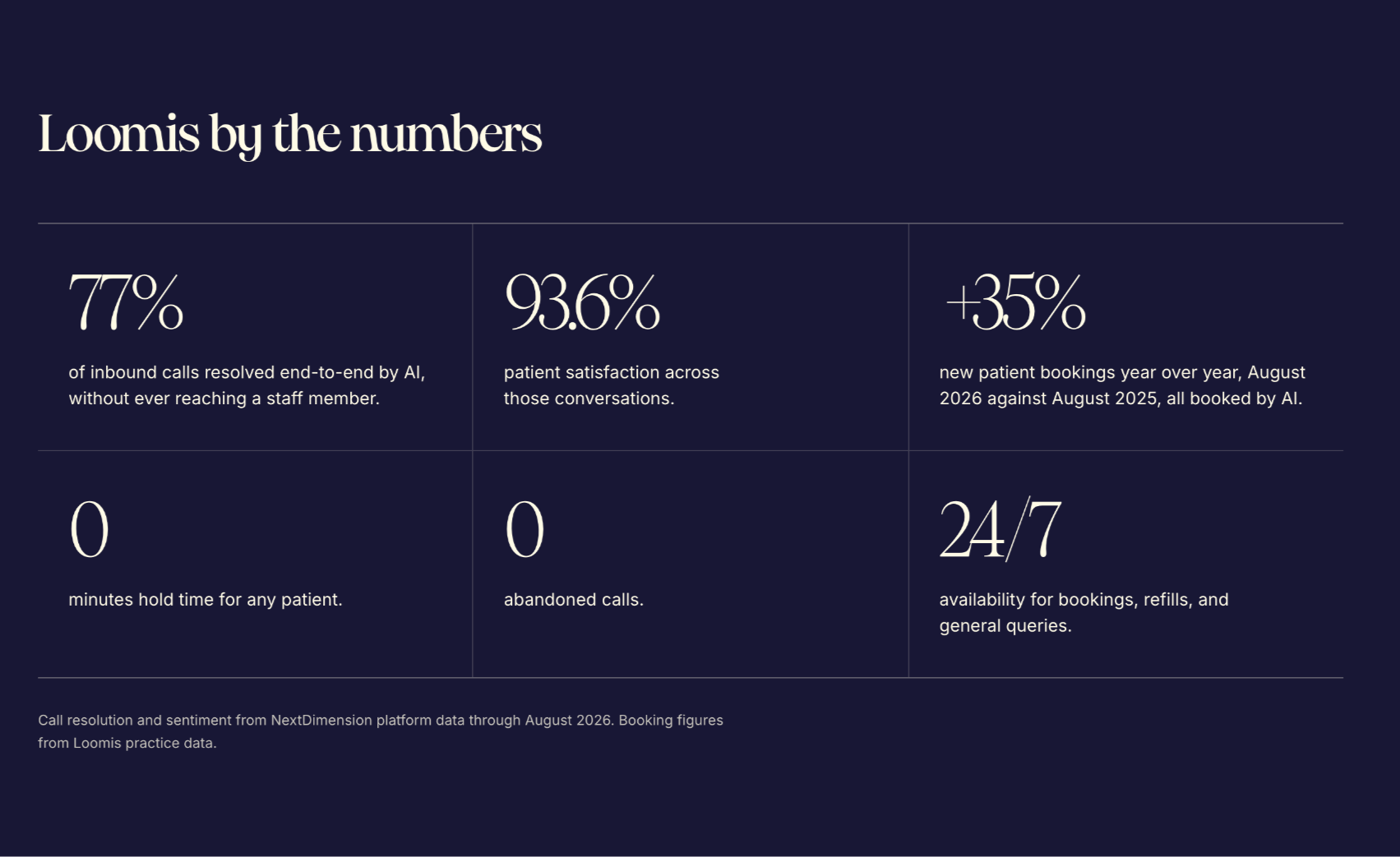
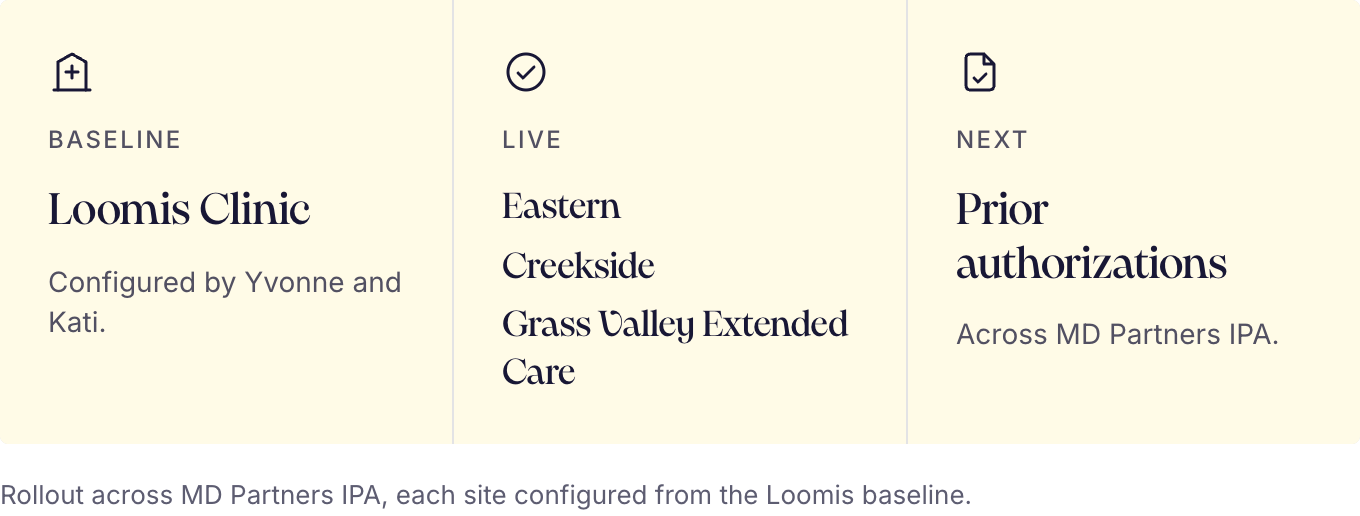
What started at one front desk is now a template. Eastern, Creekside, and Grass Valley Extended Care are all live, each configured from the baseline Yvonne and Kati established rather than from scratch. Prior authorizations are next, across MD Partners IPA itself.
Growth has its own tell: staff now block lunch on provider calendars, or AI will book a patient into it.
Yvonne rates the partnership an 8 out of 10, citing room to grow on both sides. We'd rather publish that than a 10. An operator who tells you where the gaps are is the one worth building the next generation of practices with.