.svg)

Every gastroenterology practice we've worked with describes the same symptom before they describe the cause: patients waiting too long for procedure approvals, a prior auth team that's perpetually behind, and a hiring plan that treats the backlog as a headcount problem. NYGA, Manhattan's largest independent GI practice, started in exactly this place.
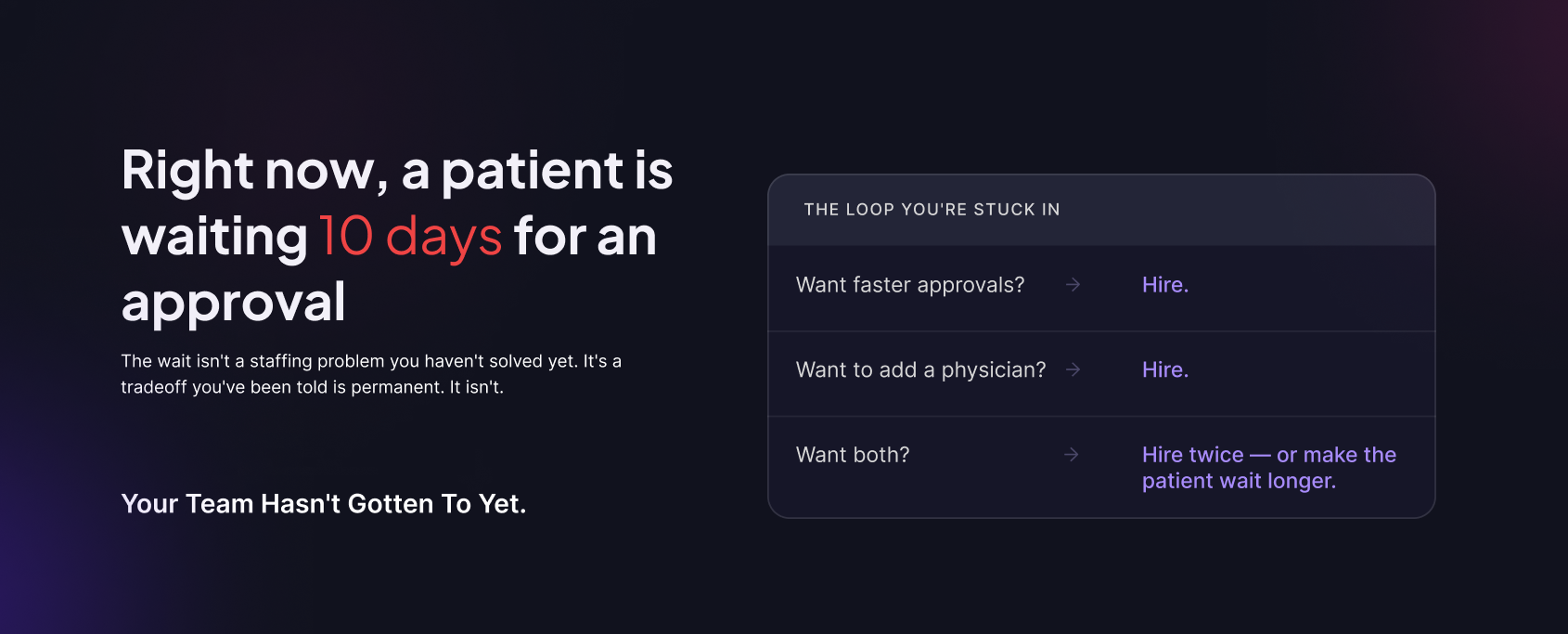
Twenty-five physicians. Full procedure prior-auth coverage. A twelve-person team dedicated entirely to chasing approvals through payer portals and clearinghouses. And still a ten-day average wait between referral and approval, with patients calling in daily to ask why nothing had moved.
Why the manual queue breaks down
The problem was never a lack of optimization. It was that every case, a routine colonoscopy pre-approval and a complex, disputed denial appeal, moved through the exact same manual pipeline, at the exact same pace.
- Day 1: Referral lands in the queue, sits behind 40 other cases with no prioritization
- Day 2–3: Staff manually pull payer criteria, treating every submission (routine or complex) identically
- Day 4–5: Submission goes to the payer portal, waits in line again
- Day 6–10: Approval finally arrives
The team wasn't understaffed. They were running a system with no triage logic, where a five-minute case and a five-day case competed for the same queue position.
"The wait isn't a staffing problem. We had hired enough people. So more volume, or a faster turnaround, always felt like it required another hire."
What changed
NYGA stopped treating prior auth as a staffing problem and started treating it as an automation one. The shift wasn't about replacing the team, it was about giving routine cases a different path than complex ones, so the humans on staff were only touching the cases that actually needed a human.
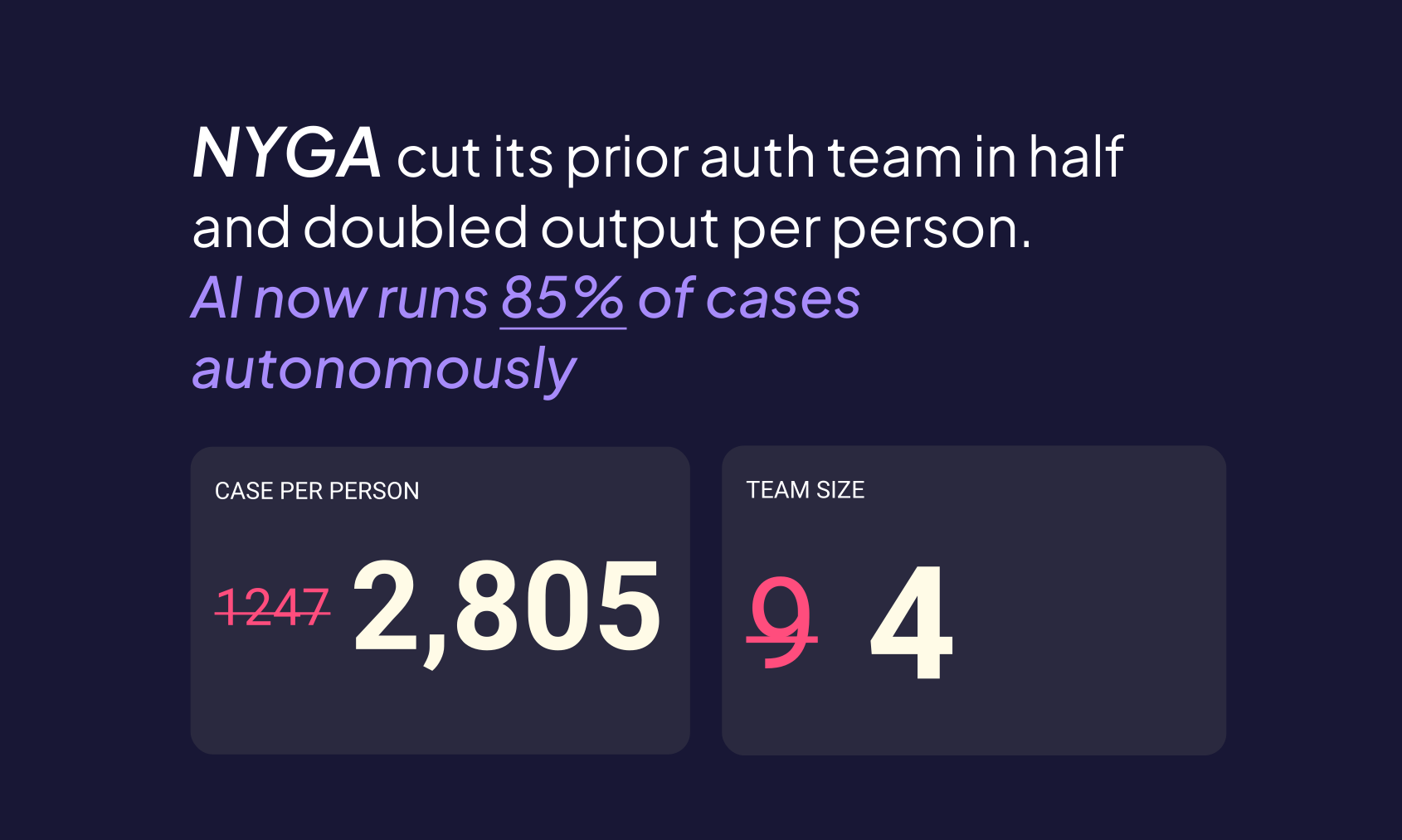
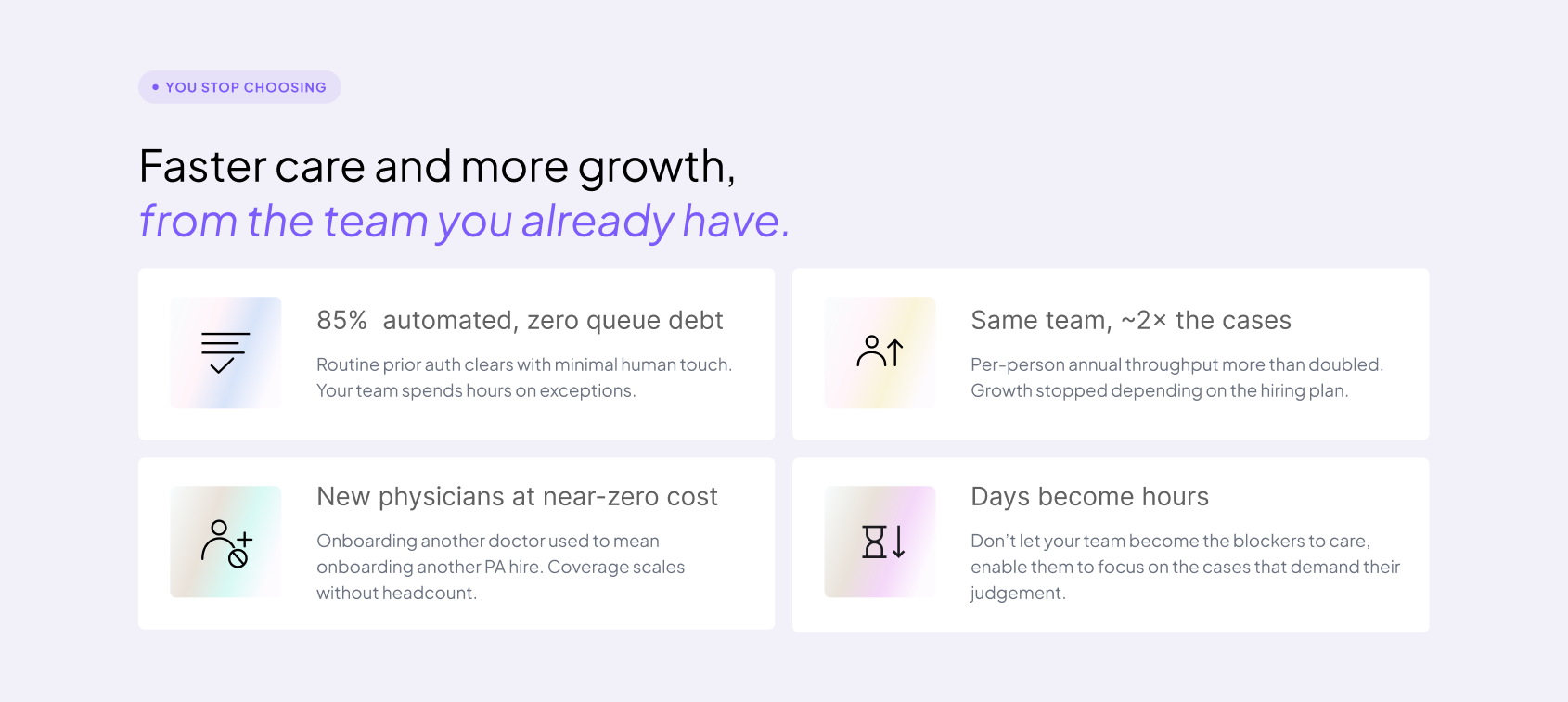
Across more than 2,000 payer plans nationwide, routine prior auth now clears without a person touching it: through real-time status checks, AI-generated medical-necessity notes, and automatic denial and appeal filing where a template response applies. The staff that remains handles exactly the work payers won't let a system do: direct phone disputes, peer-to-peer physician conversations, and edge cases where judgment matters.
Same team, roughly twice the cases
Per-person annual throughput nearly doubled; not because anyone worked harder, but because the easy 85% stopped competing for attention with the hard 15%. Growth in patient volume no longer means growth in headcount; it means the automation layer absorbs more of the routine load while the team's judgment stays reserved for what actually needs it.
What this means beyond prior auth
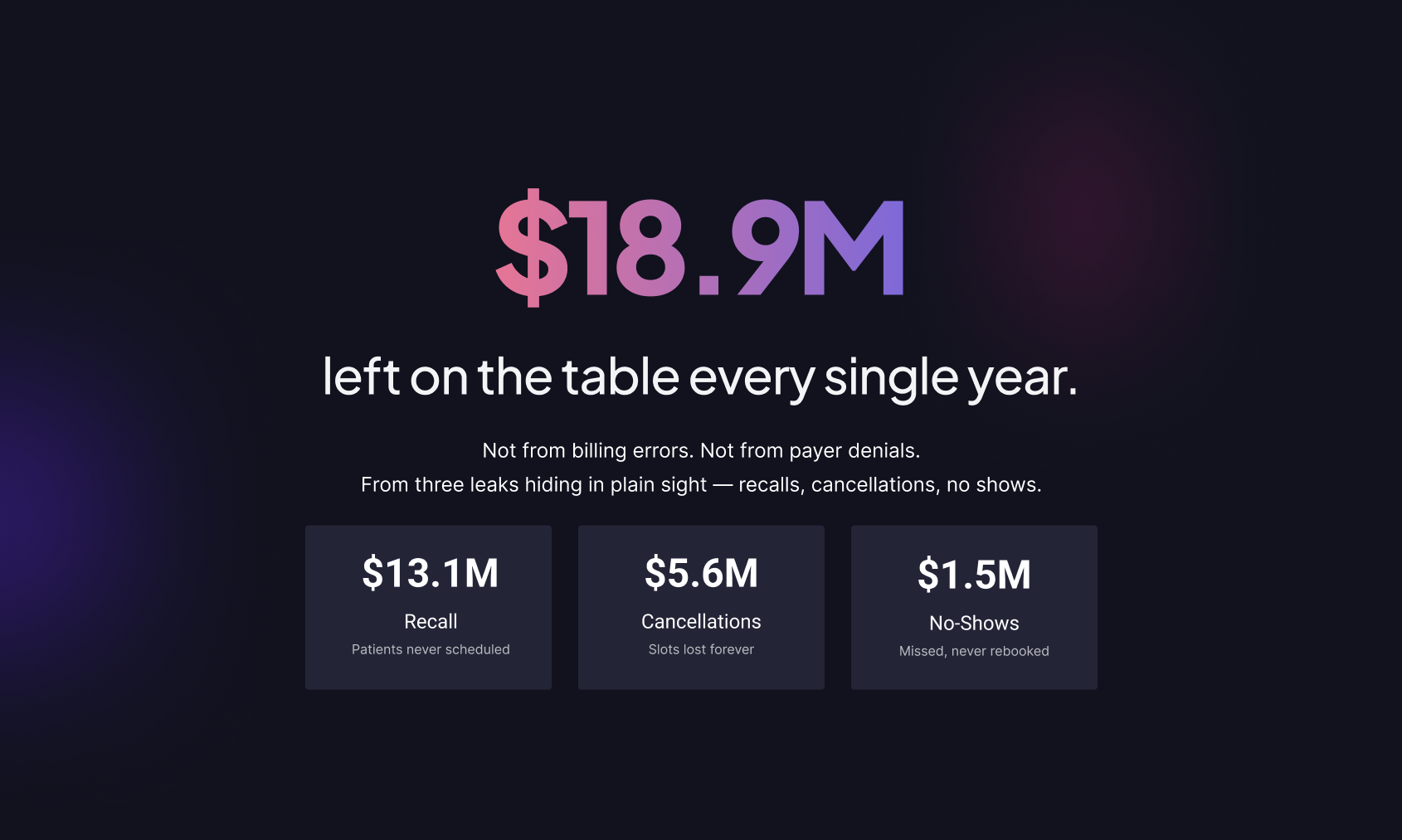
The pattern here isn't specific to prior authorization. It shows up everywhere a front-office team treats every case as equally hard: recall outreach, cancellation follow-up, patient intake. The fix is rarely "hire more people", it's giving the system a way to separate what's routine from what genuinely needs a human, and building automation for the former so staff time concentrates on the latter.
That's the model NYGA applied to prior auth, and it's the same one we now bring to every new specialty practice we onboard.